
Florida’s Energy Bill Problem
Florida homeowners know Florida summers are brutal on their energy bills. When heat and humidity climb, your air conditioner runs nonstop. Cooling your home in our climate takes a lot of power, and without the right insulation, much of that cooled air seeps out.
There’s also a common myth that insulation is only for winter. It isn’t. In Florida, insulation is one of the best tools we have for staying comfortable and keeping cooling costs under control. Proper insulation slows the flow of heat into your home, which means your A/C doesn’t have to work as hard or run as long.
According to the U.S. Energy Information Administration, more than 50% of energy use in the average home goes toward heating and cooling. The U.S. Department of Energy (DOE) also says homeowners can save up to 15% on heating and cooling costs by adding insulation and air sealing. Those savings apply to Florida just as much as anywhere else.
Good insulation also helps control humidity. It keeps hot, moist air outside where it belongs. Lower indoor humidity helps prevent mold, moisture damage, and that sticky feeling in the summer.
But upgrading your existing home’s insulation can often be a pricey endeavor. That’s why Florida and local utility companies offer several rebate and assistance programs that help make these improvements more affordable. Let’s take a look.
Florida Incentives and Programs for Insulation Upgrades
Utility Rebates and Energy Audits
Many Florida electric utility companies offer rebates to encourage energy saving upgrades. These programs lower the cost of adding insulation and make it easier for families to improve their home’s comfort.
For instance, in our area, Florida Power & Light (FPL) offers an instant $220 rebate in the form of an invoice credit when you install ceiling insulation from an approved Participating Independent Contractor (PIC).
Free home energy audits are also available through many utilities. An audit identifies where your home is losing energy, including insulation gaps, leaky ducts, and issues around windows and exterior doors. If you haven’t had one yet, it’s a good place to start.
Weatherization Assistance Program (WAP)
The Weatherization Assistance Program helps lower-income households reduce their energy costs. This federal program is run in Florida by the Department of Economic Opportunity and local community agencies.
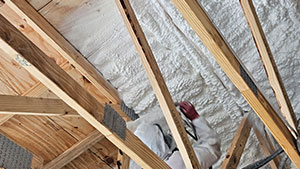
For families who qualify, WAP provides free improvements such as:
- Caulking and weather-stripping
- Adding attic insulation
- Improving heating and cooling equipment
- Lighting upgrades
- Appliance repairs or replacements
Florida Energy Saver Program (State Rebates)
Florida’s new Energy Saver initiative is run by the Department of Agriculture & Consumer Services. It is expected to launch soon, pending final approvals from the Department of Energy (DOE) and funding.
The program has two parts:
- HOMES Program (Home Efficiency Rebates): It offers rebates for home efficiency upgrades that reduce energy use by at least 20%.
- HEAR Program (Home Electrification and Appliances Rebates): Exclusively for low- and moderate-income households, this program provides rebates for appliance and system improvements.
Eligible HOMES upgrades include insulation, air sealing, duct sealing, high-efficiency equipment, ENERGY STAR certified heating/cooling systems, water heaters, and more. Rebates will be applied as an instant discount on the contractor invoice, so there is no waiting for a check.
Insulation Strategies for Florida Homes – Beyond the Basics
Strategy 1: Attic Insulation – Your Top Priority
When your attic is underinsulated, it acts like a giant oven above your ceiling, forcing your A/C to work overtime to keep your home comfortable. Adding insulation to your attic (along with air sealing) is one of the easiest upgrades with one of the fastest paybacks.
If you have less than 6–7 inches of insulation (roughly R-19 to R-22), adding more can bring real savings. Florida’s current building code requires new homes to have attic insulation with an R-38 rating in most of Florida. Southern Florida (Miami and below) requires R-30 or higher. It is highly recommended that existing homes upgrade to the same amount for maximum efficiency.
Popular attic insulation materials include:
- Fiberglass batts
- Blown-in loose fill insulation, such as fiberglass or cellulose
- Spray foam applied to the underside of the roof deck.
Ensure proper attic ventilation and help prevent moisture buildup by keeping your soffit and ridge vents clear.
Strategy 2: Wall Insulation – Don’t Ignore the Walls
Walls make up a lot of your home’s surface area. Poor wall insulation can account for 15–25% of your home’s overall energy loss. For homes with wood frame walls, blown-in fiberglass, cellulose, or spray foam insulation are popular choices. Older Florida homes with concrete block walls can be trickier to insulate. The best way to tackle the job is with injection foam insulation, where foam is injected directly into the hollow core of each concrete block.
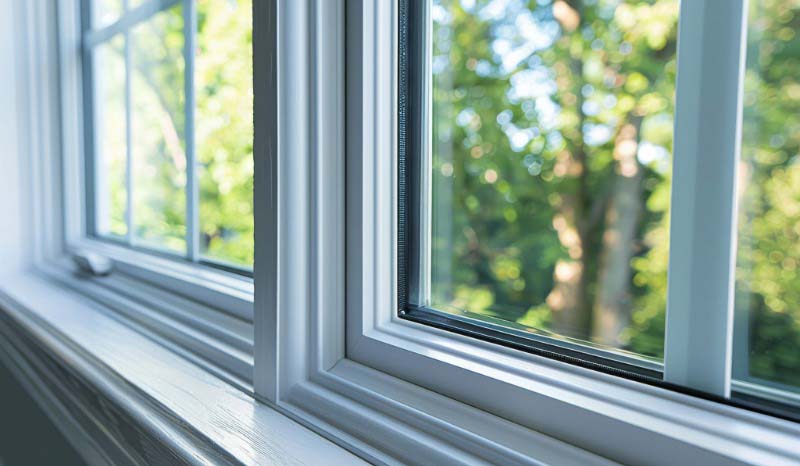
Also, check around windows and skylights as well as exterior doors, and seal them with caulk or weatherstripping. Gaps around these openings let heat and humidity slip in. Upgrading to ENERGY STAR certified windows helps reduce heat gain and improve comfort.
Strategy 3: Radiant Barriers – Shield Against the Florida Sun
Radiant barriers reflect the sun’s heat before it enters your attic. Constructed of foil-faced materials, they are installed on the underside of your roof decking or across rafters. Radiant barriers are especially useful in Florida because of our abundant sunshine and long cooling season. They work best when paired with traditional insulation rather than on their own. Remember that the reflective side must face an open-air space, usually down into the attic.
Strategy 4: Air Sealing and Moisture Management- Don’t Skip the Details
Insulation works best when your home is properly air sealed. Air leaks allow hot, humid air to enter and waste energy. This makes air sealing essential to keeping moisture out and conditioned air in.
Common leak points to address include:
- Plumbing penetrations
- Electrical outlets
- Recessed lights
- Attic hatches and chimneys
- Window and door frames
- Wire/pipe entry points
Many homeowners choose spray foam for their homes because it insulates and air-seals in one step.
Moisture management also matters in Florida. When considering the best ways to manage moisture in your home, it’s important to:
- Use proper vapor barriers where appropriate, such as closed-cell spray foam.
- Ensure proper attic ventilation.
- Install moisture barriers in your crawl space.
- Make sure your bathroom and kitchen exhaust fans vent outdoors and not into your attic.
Ultimately, insulation and air sealing create a winning combo for a cooler, drier home.
Choosing the Right Insulation for Your Florida Home
R-Value Basics
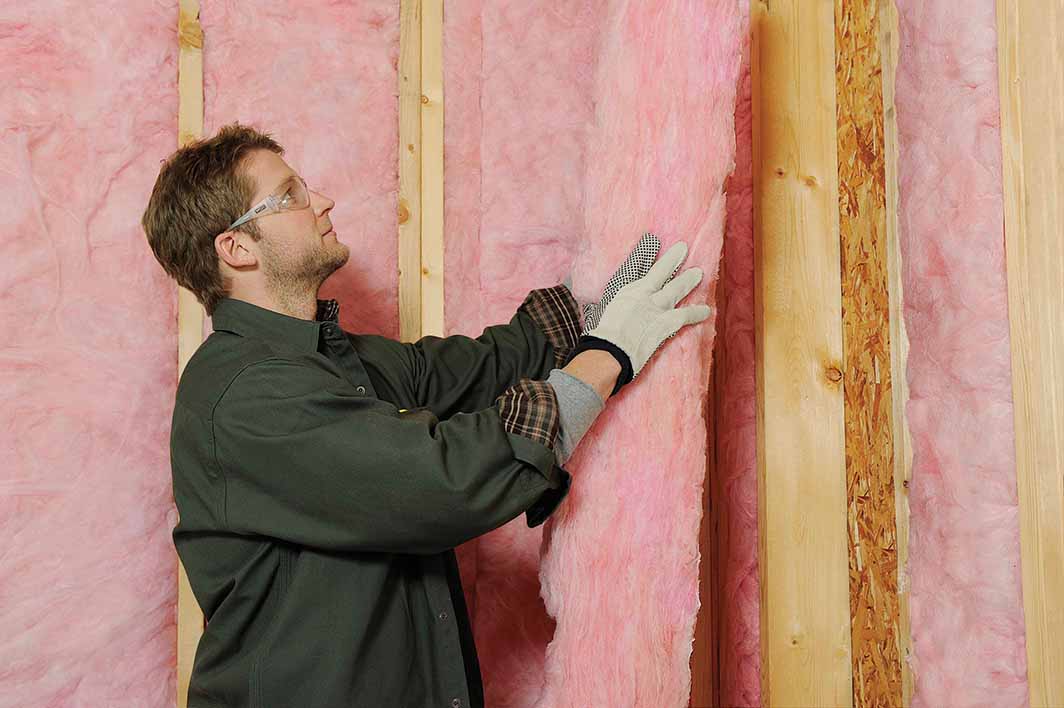
R-value measures how well insulation resists heat flow. Higher R-values have better insulating power. For instance, spray foam has a higher R-value per inch than fiberglass batts.
Most of Florida falls into Climate Zone 2, which needs a minimum level of R-38 of insulation for attics. This equates to approximately 12” of fiberglass batts or about 5” of closed-cell spray foam. Walls need around R-13 to R-15 of insulation for the most effective thermal barrier. Remember that proper installation is just as important as the material. Gaps, compression, or moisture intrusion can reduce your insulation’s real-world performance.
Insulation Material Types
Fiberglass batts
Affordable and DIY-friendly if the space is open. It comes in pre-cut blankets that fit between wall studs, ceiling joists, and attic floor joists. Must be installed carefully to avoid gaps.
Blown-in insulation (fiberglass or cellulose)
Ideal for attics and filling wall cavities in existing homes. It conforms to irregular spaces well.
Spray foam insulation (Open-cell and Closed-cell)
It insulates and air seals in one product, but needs to be professionally installed. Closed-cell foam has a higher R-value per inch and provides an effective vapor barrier. Open-cell foam is excellent for air sealing but has a lower R-value than closed-cell foam and does not provide an air barrier. Spray foam is a more costly option but often requires less thickness for the same R-value.
Injection foam
Used for existing closed walls, especially concrete block walls. Foam is injected through small holes to fill the cavities. Injection foam is a convenient way to insulate your exterior walls with minimal disruption.
Radiant barriers
These reflective foils are best used in attics to supplement other insulation.
Moisture Resistance and Air Barriers
Closed-cell spray foam blocks moisture and adds strength to your roof structure. Fiberglass and cellulose do not block moisture, so they need careful installation to avoid trapping water and an added vapor barrier.
Moisture Prevention Tips:
- Keep your attic vents unobstructed when using fluffy insulation.
- Fix exterior moisture issues before adding wall insulation.
- Add vapor barriers in crawlspaces
- Repair roof leaks and maintain your gutters and drainage.
Cost-Effectiveness and Long-Term Savings
Installing blown-in attic insulation can pay for itself in just a couple of years. More advanced upgrades, like extensive spray foam or high-performance windows, usually cost more upfront but improve comfort and long-term savings.
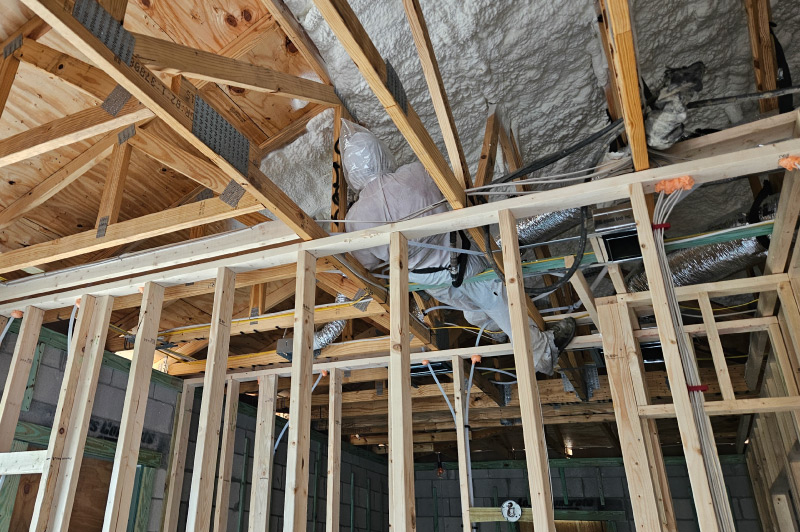
When strategizing, consider tackling areas that are badly underinsulated or not insulated at all first. Some jobs may be DIY, such as weatherstripping, while pros should handle spray foam installation. A hybrid approach often works best for cost-effectiveness.
Using online tools like the DOE’s Home Energy Saver or undergoing a professional home energy audit can help you estimate your savings per upgrade. Also, don’t forget to factor in available rebates.
Ultimately, insulation is one improvement that keeps working year after year and doesn’t wear out quickly or require fuel.
Stay Cool, Save Money
Insulation is one of the wisest improvements you can make to your Florida home. It lowers energy bills, reduces humidity, and makes your home more comfortable year-round. When you combine proper insulation, solid air sealing, and Florida’s many rebates and incentive programs, the payoff is even better.
Why Homeowners Count on Leed Insulation and Spray Foam
Leed Insulation and Spray Foam has more than 30 years of experience helping Florida families stay cool through our toughest seasons. We understand Florida’s heat, humidity, and building codes, and we install insulation that performs where it matters. Whether you’re upgrading your attic, sealing air leaks, or exploring spray foam options, our team is here to help you get the best results and take advantage of available savings.
Let Leed Insulation and Spray Foam make your home more comfortable, efficient, and affordable throughout every Florida “season.” Contact us today to get started.
References
Florida Commerce. “Weatherization Assistance Program.” https://floridajobs.org/community-planning-and-development/community-services/weatherization-assistance-program. Accessed 2025.
Florida Department of Agriculture and Consumer Services. “Helping Floridians Improve Home Energy Efficiency.” Florida Energy Saver Program. https://floridaenergysaverprogram.fdacs.gov/en-US/. Accessed 2025.
Florida Power & Light. “Ceiling Insulation.” FPL, https://www.fpl.com/save/resources/ceiling-insulation.html. Accessed 2025.
Miami-Dade County. “Weatherization Assistance Program.” Miami-Dade County, https://www.miamidade.gov/global/service.page?Mduid_service=ser1541190292258414. Accessed 2025.
North American Insulation Manufacturers Association. “2023 Florida Building Code.” Insulation Institute.
https://insulationinstitute.org/wp-content/uploads/2025/05/N117-FL-Energy-Code-0425.pdf
Residential Efficiency Scorecard. “Insulation and the Building Shell.” https://www.homescorecard.gov.au/save-on-energy-bills-and-improve-your-homes-comfort/insulation-and-the-building-shell#:~:text. Accessed 2025.
Today’s Homeowner. “Understanding Insulation R-Value: The Ultimate Homeowner’s Guide.”https://todayshomeowner.com/insulation/guides/insulation-r-value/. Accessed 2025.
United States Environmental Protection Agency. “Methodology for Estimated Energy Savings.” Energy Star. https://www.energystar.gov/saveathome/seal_insulate/methodology#:~:text
University of Florida IFAS Extension. “Insulation.” Living Green, https://livinggreen.ifas.ufl.edu/topics/energy/insulation/. Accessed 2025.
University of Florida IFAS Extension, Water & Energy Conservation. Energy-Efficient Homes. PDF, http://wec.ifas.ufl.edu/extension/gc/madera/documents/EH107.pdf. Accessed 2025.
U.S. Department of Energy. “Energy Saver.” https://www.energy.gov/energysaver/energy-saver. Accessed 2025.
U.S. Energy Information Administration. “Use of Energy Explained.” https://www.eia.gov/energyexplained/use-of-energy/homes.php. Accessed 2025.