
After a hurricane moves through the Treasure Coast, most homeowners check their roof and yard first. Few think to climb into the attic. Yet that is where wind-driven rain often does its quietest damage. Insulation can end up soaked and matted down, and mold can follow in the weeks after the storm.
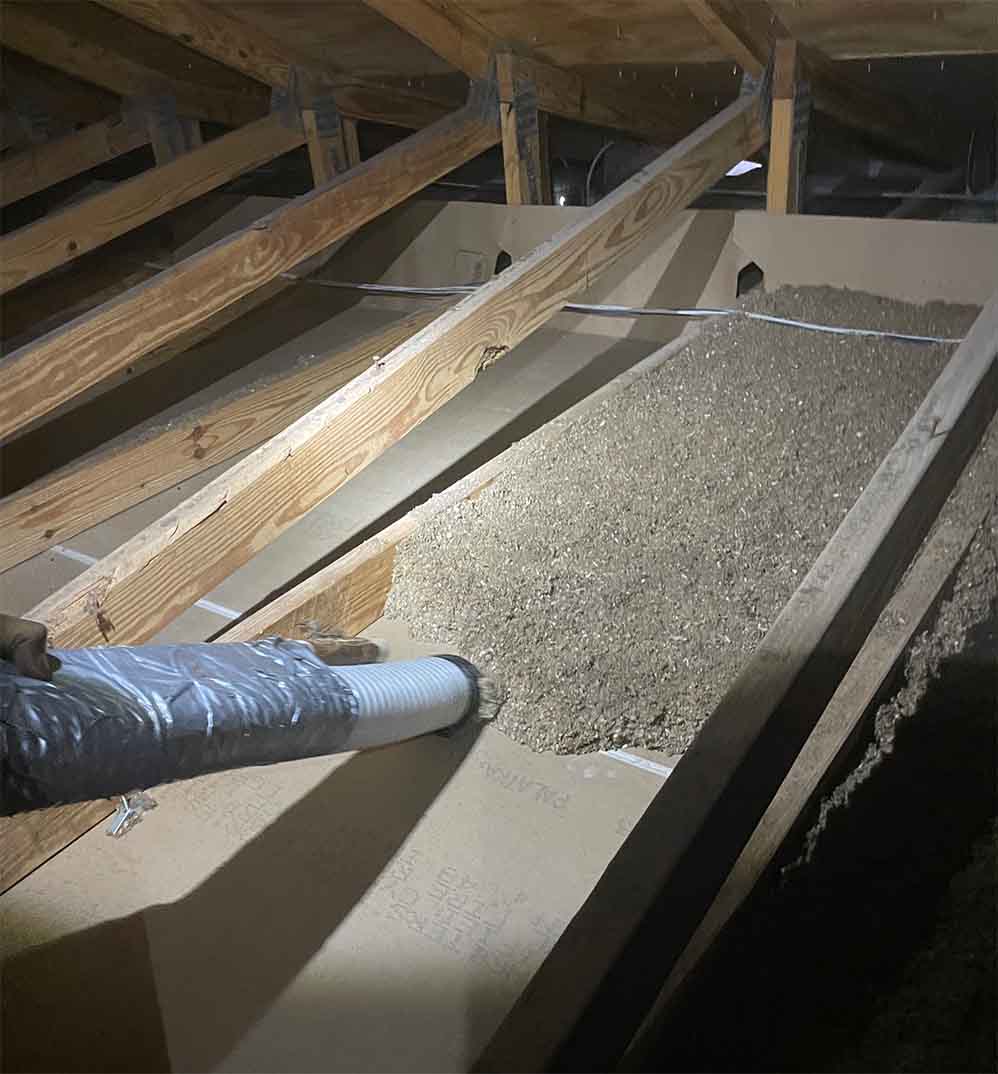
Insurance adjusters rarely crawl into the attic during a quick walkthrough. When damage is out of sight, it is hard to prove after the fact. Without clear records, an insurer can undervalue or even deny the insulation-related part of your claim.
The good news is that a little preparation can change the outcome. To document attic insulation damage for an insurance claim, start with dated photos, both wide and close-up, plus moisture meter readings. Then get a written contractor assessment letter from a local insulation contractor before any cleanup or insulation removal begins. Together, these pieces create a paper trail an adjuster can’t easily dismiss.
Why Attic Insulation Damage Gets Overlooked by Insurance Adjusters
The Adjuster’s Blind Spot
Adjusters usually focus on what they can see. They inspect the roof and walls and look for visible interior damage, then move on. Attics are dark and cramped, so they are easy to skip during a brief post-storm walkthrough.
That creates a gap in almost every hurricane insurance claim for Florida attics. Insulation loses its effectiveness when it gets wet or compressed. You can’t see that from your living room, though. A ceiling may look perfectly fine while the insulation above it sits flattened and damp.
This damage carries real financial value. The EPA estimates that homeowners can save an average of 15% on heating and cooling costs by air sealing and adding insulation. When stormwater ruins that insulation, you lose those savings along with the material itself. Insulation also plays a protective role during storm season, as we explain in “How Proper Insulation Helps Protect Your Florida Home During Hurricane Season.” If it protects your home, its damage deserves a place in your claim.
Why the Timeline Matters
Timing can make or break your records. Taking the time to snap photos and videos of damage before you start cleanup is the best way to provide insurers and disaster programs a clear record of what was lost. Once you bag and haul away wet insulation, the proof leaves with it.
How to Photograph and Measure Attic Insulation Damage the Right Way
Build a Clear Photo Record
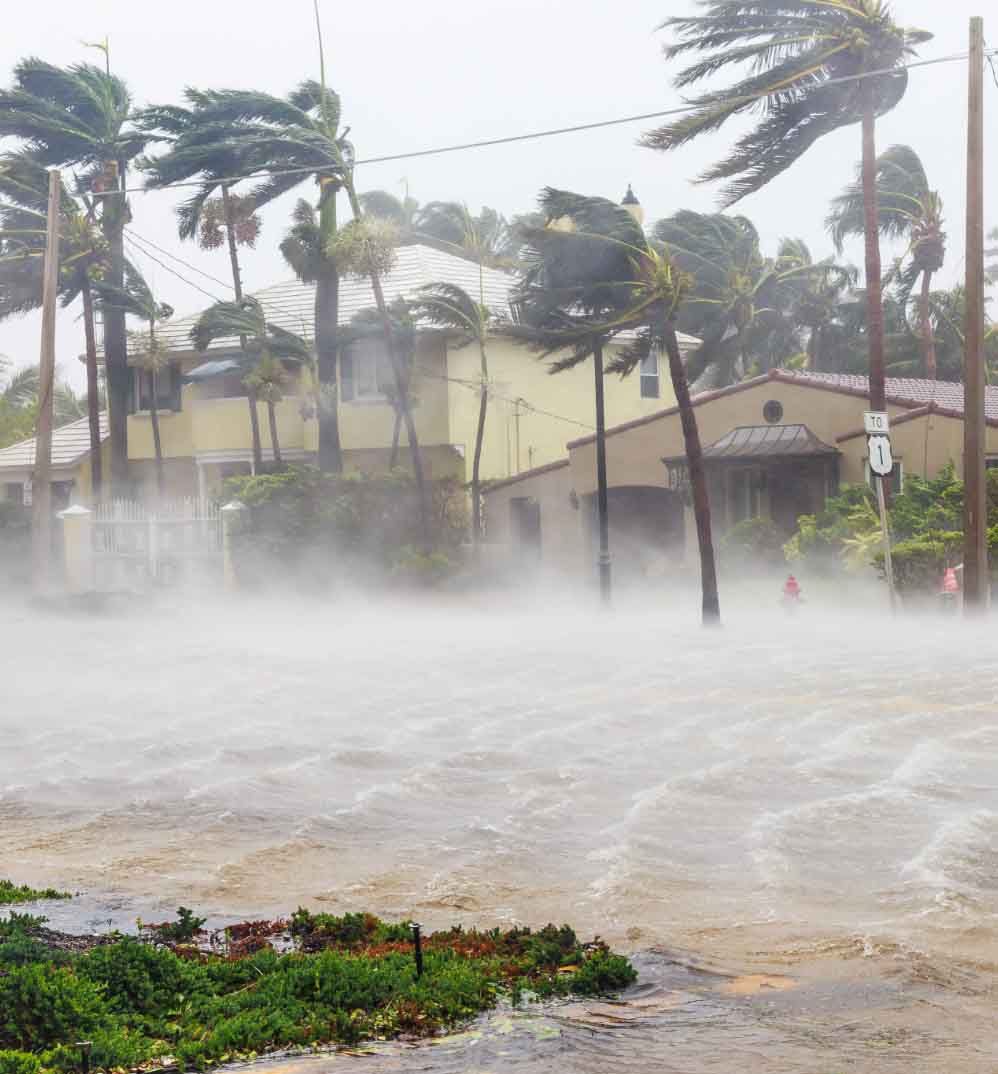
Good storm damage documentation for Treasure Coast homes starts with a camera. FEMA recommends photographing damage inside and outside of your home before you throw anything away. It also suggests labeling photos by room before removing any material. In the attic, label each set by section, such as “north side over the garage.”
Start with wide shots that show the whole attic space. These establish where the damage sits in relation to the roof. Then move in for close-ups of insulation that looks stained or matted. Capture any spots where insulation is missing or has shifted out of place.
Be sure to photograph water stains on rafters and roof decking too. Strong attic insulation water damage photos show both the insulation and the surrounding wood. That helps connect the damage to a roof leak.
Take Moisture Readings
Photos show what damage looks like. A moisture meter shows how wet the materials really are. A pin-type meter presses small probes into the material, while a pinless meter scans the surface.
Begin with a reading in a dry, unaffected part of your attic. That becomes your baseline. Then test the wet areas. Each moisture reading insulation damage leaves behind tells the adjuster how far above normal the materials are. Write down the date and time of every reading, along with its exact location.
Moisture readings matter for another reason: mold and moisture control. The key to mold control is moisture control. Dehumidifiers and insulation are important ways to manage moisture in your home. If you find active mold while documenting after a storm, read “Dealing with Damaged Insulation: Mold, Pests, and Water Issues in Florida Attics” for next steps.
Where a Contractor’s Assessment Letter Fits into the Claims Process
The Missing Piece of Your Claim
Your photos and readings tell part of the story. A written assessment letter fills in the rest. Think of it as the bridge between your own records and the adjuster’s technical report.
A contractor assessment letter insurance claim examiners can review describes the damage in professional terms. A licensed insulation contractor can document lost R-value and moisture saturation. The letter can also note contamination from mold or debris. It speaks to the scope of your loss and gives the adjuster solid facts to work from.
The local climate adds weight to that letter. St. Lucie County sits in Climate Zone 2A under the Florida Building Code. In this hot, humid zone, wet insulation keeps feeding moisture problems long after the storm passes.
Follow the Right Order of Steps
Order matters as much as the records themselves.
Step 1
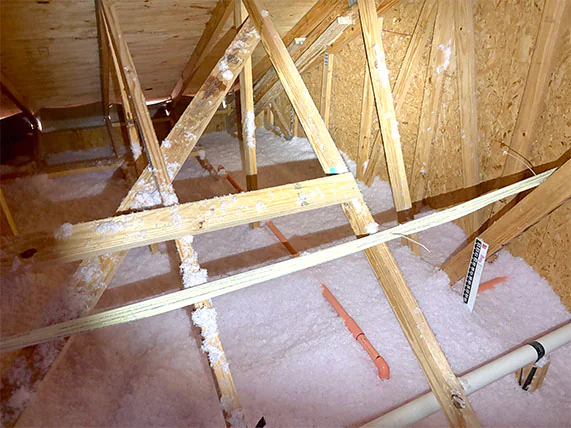
Photograph your attic and take moisture readings before you touch anything.
Step 2
Contact your insurance carrier and open the claim.
Step 3
Schedule a post-storm attic inspection Florida contractors can turn into a written assessment. Do this before removal begins. Consult your insurer or adjuster before signing any agreement with a remediation contractor.
Step 4
Keep receipts for any temporary protective steps, such as tarping a roof or running a dehumidifier to help manage further moisture intrusion.
Once your claim is settled, you can focus on restoring your attic. Our guide to “Attic Insulation Removal and Disinfection” explains what that process looks like. Many homeowners then choose spray foam insulation as a replacement for its added moisture resistance.
Frequently Asked Questions
Coverage depends on what caused the damage. Policies often treat wind-driven rain differently than flooding or long-term neglect. Review your policy language and talk with your agent to understand what applies to your home.
Under current Florida law, notice of a property insurance claim generally must be given within one year of the date of loss. Lawmakers have changed this deadline several times in recent years. Confirm the current window with your agent or a licensed insurance professional, and report damage as soon as you can.
Usually not. Fiberglass batt and blown-in insulation generally lose effectiveness once they are saturated and compressed. Closed-cell spray foam is more water-resistant according to manufacturer data, which is one reason many homeowners choose it as a replacement.
It gives the adjuster an objective number that can be repeated and checked. Comparing wet areas to a dry baseline reading from an unaffected spot shows how much extra moisture is present. That number is much harder to dispute than a description alone.
Document everything first, then talk with your insurer before removal begins. FEMA advises homeowners to consult their insurer or adjuster before signing any remediation agreement. Removing insulation too early can leave you without the evidence you need.
Turn Hidden Attic Damage into Evidence That Counts
Attic damage may be out of sight, but it doesn’t have to stay out of your claim. Photos and moisture readings give the adjuster a clear picture of what happened. A written assessment then ties those records together in terms insurers recognize. Done in the right order, this process turns invisible damage into evidence an adjuster can act on.
Don’t wait for mold or more moisture to complicate things. The sooner you document, the stronger your claim will be.
When you need a written attic insulation assessment, Leed Insulation and Spray Foam is ready to help. Our family-owned team has served Treasure Coast homeowners for more than 35 years, and we know exactly how Florida storms affect attics. We’ll inspect your insulation and record what we find before any remediation begins. Request a free estimate today and let our experts help protect both your claim and your home.
References
Centers for Disease Control and Prevention. “Homeowner’s and Renter’s Guide to Mold Cleanup After Disasters.” CDC, U.S. Department of Health and Human Services, www.cdc.gov/mold-health/communication-resources/guide-to-mold-cleanup.html.
Federal Emergency Management Agency. “Don’t Wait to Clean Up or Make Repairs.” FEMA.gov, U.S. Department of Homeland Security, www.fema.gov/fact-sheet/dont-wait-clean-or-make-repairs-1.
Florida Building Commission. “Chapter 3: Design Criteria Climate Zones.” Florida Building Code, Florida Department of Business and Professional Regulation, https://floridabuilding.org/fbc/thecode/supplement/annenergy/flspecificcombinediecc-fl_ch3r6_11.doc.
Online Sunshine. “The 2026 Florida Statutes.” The Florida Legislature, https://www.leg.state.fl.us/statutes/index.cfm?App_mode=Display_Statute&URL=0600-0699/0627/Sections/0627.70132.html.
Ready.gov. “Hurricanes.” U.S. Department of Homeland Security, www.ready.gov/hurricanes.
United States Environmental Protection Agency. “A Brief Guide to Mold, Moisture and Your Home.” EPA, www.epa.gov/mold/brief-guide-mold-moisture-and-your-home.
United States Environmental Protection Agency. “What Are the Main Ways to Control Moisture in Your Home?” EPA, www.epa.gov/mold/what-are-main-ways-control-moisture-your-home.
United States Environmental Protection Agency. “Methodology for Estimated Energy Savings.” ENERGY STAR, www.energystar.gov/saveathome/seal_insulate/methodology.
UpCodes. “Chapter 3 [RE] General Requirements: Section R301 Climate Zones.” 2023 FBC-Energy Conservation, 8th Edition, https://up.codes/viewer/florida/fl-energy-conservation-code-2023/chapter/RE_3/re-general-requirements#R301.1