
Search any Florida home-improvement forum, and you’ll find homeowners arguing about radiant barriers in Florida. Some swear by them. Others call them snake oil. Almost no one is using the same definition of what a radiant barrier actually does.
For homeowners along the Treasure Coast and Florida’s East Coast, the confusion has a real price tag. Summer attic temperatures routinely exceed 120°F, and in many homes, A/C ducts run directly through that same blistering attic space. Skip a proven cooling-cost reducer, and your air conditioner works harder than it needs to. Install one expecting it to replace insulation, and you may barely notice a difference in your energy bill.
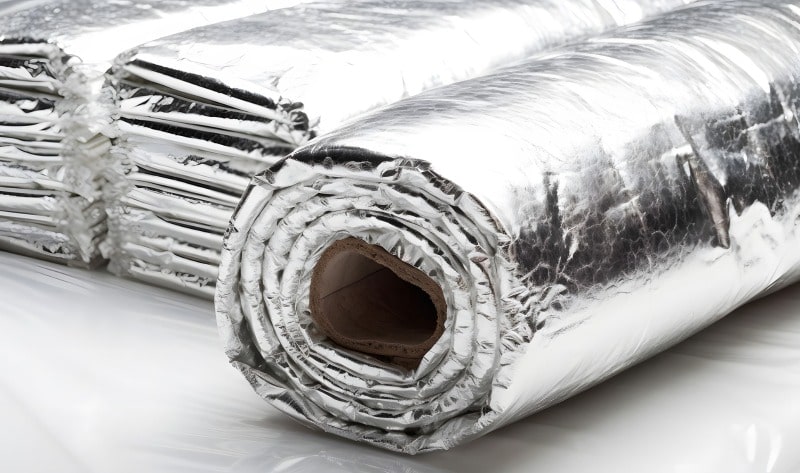
A radiant barrier is a reflective material, typically a specialized foil material installed in an attic airspace. It is commonly stapled to the underside of roof rafters or applied to the underside of the roof deck. Instead of absorbing heat, it reflects radiant heat away from the attic. According to research from the Florida Solar Energy Center at the University of Central Florida, a foil radiant barrier can reflect up to 95% of the radiant heat emitted by a hot roof before it reaches the attic insulation and ductwork.
What it does not do is replace traditional insulation. A radiant barrier addresses radiant heat transfer, while fiberglass, cellulose, and spray foam address conductive heat transfer. The two systems work together, not interchangeably.
Not sure whether a radiant barrier will actually pay off for your Florida home, or whether the bigger issue is your existing attic insulation? An insulation evaluation can help determine which upgrade offers the best return on your cooling costs.
What a Radiant Barrier Actually Does
What a Radiant Barrier Is
A radiant barrier is a reflective foil material installed in an attic airspace with the foil facing an open air gap. The Florida Solar Energy Center defines it as a specialized layer of foil placed in the attic space to block radiant heat transfer between the hot roof and the conventional attic insulation.
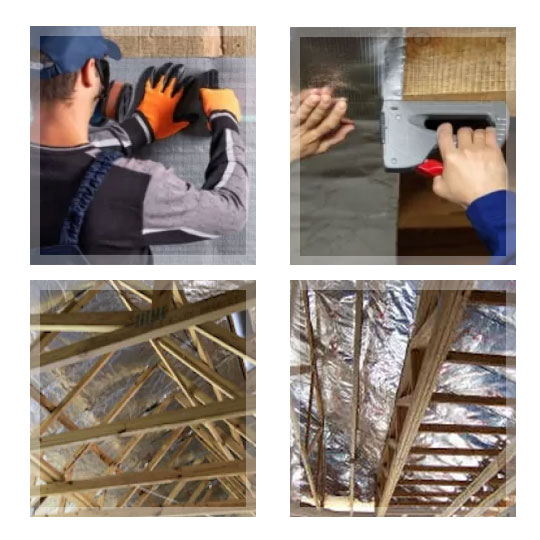
There are several ways a radiant barrier can be installed in a Florida attic:
- Stapled to the underside of roof rafters
- Applied to the underside of the roof deck
- Installed as foil-faced OSB during reroofing
- Mounted as a perforated reflective sheet against rafters
Regardless of the installation method, the purpose remains the same: reducing radiant heat transfer in attic spaces during Florida’s long cooling season.
How It Works
When the sun beats down on a Florida roof, the roofing material absorbs solar energy and becomes extremely hot. Research from FSEC shows roof temperatures can reach 148°F even when outdoor air temperatures are only 87°F. Attic air temperatures can exceed 120°F.
That heat radiates downward onto attic insulation, ceiling drywall, and HVAC ductwork.
A foil radiant barrier interrupts that process. The U.S. Department of Energy explains that radiant barriers use highly reflective material to reflect radiant heat rather than absorb it. Instead of allowing the roof to radiate heat into the attic, the barrier reflects much of that energy back toward the roof.
The key property is low emissivity, often referred to as low-e. A low emissivity radiant barrier has an infrared emittance below 0.1, meaning it re-emits less than 10% of the radiant energy striking it.
This is why attic heat reflection systems can make a measurable difference in hot climates where roofs absorb intense solar energy for most of the year.
How Much Heat It Reflects
Research from the Florida Solar Energy Center shows that a properly installed radiant barrier can reflect up to 95% of the radiant heat radiating downward from the roof before it reaches the attic floor insulation.
That is why “do radiant barriers work in Florida” is one of the few insulation questions where climate matters so heavily. Florida’s combination of intense sun, high attic temperatures, and attic-mounted HVAC systems creates ideal conditions for radiant barriers to perform well.
What a Radiant Barrier DOESN’T Do
This is where most of the confusion starts. A radiant barrier does one specific thing very well, but there are several things it does not do at all.
It Doesn’t Replace Attic Insulation
A radiant barrier addresses radiant heat transfer. Traditional insulation, such as fiberglass, blown-in cellulose, and spray foam, addresses conductive heat transfer. They are not interchangeable.
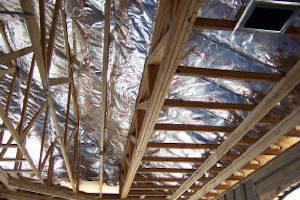
The Department of Energy is very clear that radiant barriers do not reduce conductive heat flow the way thermal insulation materials do.
That means installing a radiant barrier without adequate attic insulation still leaves a major heat path open through the ceiling assembly. Traditional insulation products like fiberglass insulation, blown-in cellulose, and spray foam are still necessary to achieve the R-values required for Florida homes.
Under the 2023 Florida Building Code, ceilings in Climate Zone 2, which includes the Treasure Coast and Florida’s East Coast, require R-38 attic insulation regardless of whether a radiant barrier is installed.
This is one of the biggest misconceptions when comparing radiant barrier vs. insulation, given that they solve different problems.
It Doesn’t Meaningfully Reduce Winter Heating Costs
Radiant barriers are designed primarily for hot climates with significant attic heat gain. The Virginia Cooperative Extension notes that while radiant barriers may provide a small winter benefit in some situations, they can also block beneficial winter radiant heat gain. As a result, the net winter heating benefit is often minimal.
The DOE also confirms that radiant barriers are far more effective in warm climates than cool climates. That is why reflective insulation systems in Florida are much more common and effective in southern climates than in northern ones.
It Helps Most When HVAC Is in the Attic
According to the DOE, radiant barriers are particularly effective when HVAC ducts are located in the attic That describes a large percentage of Florida homes. In many houses throughout Fort Pierce, Port St. Lucie, Stuart, Vero Beach, Melbourne, and West Palm Beach, attic-mounted ductwork is exposed to extreme heat for much of the year. Reducing attic radiant heat helps reduce the heat load on those ducts and air handlers.
If a home’s air handler and ductwork run through conditioned space, such as an interior closet, a conditioned garage, or a dedicated mechanical room, rather than the attic, the cooling-cost benefit of a radiant barrier is significantly smaller. This means the savings potential of a Treasure Coast attic radiant barrier decreases.
It Doesn’t Damage Roof Shingles
One common concern homeowners raise is whether a radiant barrier makes shingles hotter and shortens roof life. FSEC research shows that radiant barriers do slightly increase shingle temperatures, but roof color has a much larger impact. Black shingles can run nearly 25°F hotter than white shingles regardless of whether a radiant barrier is installed.
If roof longevity is the primary concern, roof color and attic ventilation strategy matter much more than the radiant barrier itself.
Why Florida Is an Ideal Climate for Radiant Barriers
Florida Meets Both DOE Criteria
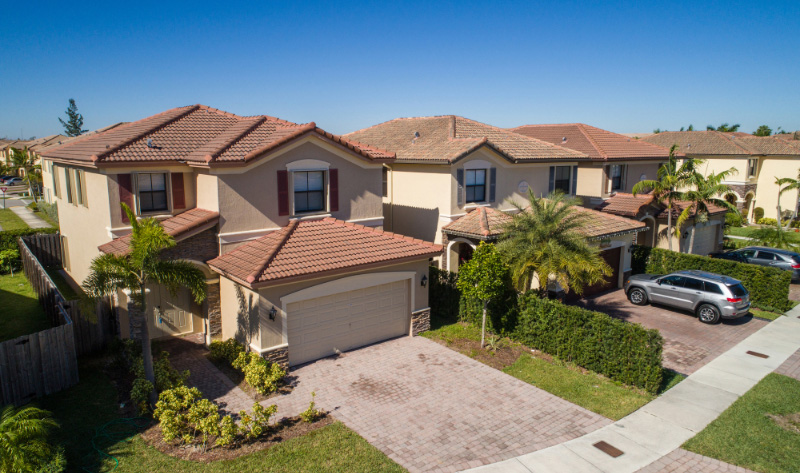
The Department of Energy states that radiant barriers work best in warm, sunny climates and in homes where HVAC ducts are located in the attic. Florida’s East Coast — Fort Pierce, Port St. Lucie, Vero Beach, Stuart, Jupiter, West Palm Beach, Boca Raton, Cocoa Beach, Melbourne — meets both criteria.
Long cooling seasons, intense solar exposure, and attic-mounted HVAC systems create ideal conditions for radiant barrier energy savings Florida homeowners can actually notice. According to the DOE, radiant barriers can reduce cooling costs by 5% to 10% in warm, sunny climates.
The Florida-Specific Numbers
Research from the Florida Solar Energy Center found that an attic radiant barrier in Florida can save approximately 10% to 15% on the heating and cooling portion of a typical Florida home’s electricity costs. That translates to roughly 3% to 6% savings on the total annual electricity bill.
Beyond energy savings, the DOE’s Building America Solution Center notes that radiant barriers improve indoor comfort, reduce wear on air-conditioning equipment, and extend the range of conditions under which an air-conditioning system can meet the cooling load — benefits that can be particularly valuable during heat waves and other extreme heat events.
Radiant Barrier vs. Roofline Spray Foam
Florida homeowners considering a radiant barrier are often evaluating roofline spray foam as well. These are different systems with different goals. A radiant barrier:
- Has lower cost
- Reflects radiant heat only
- Keeps the attic vented
- Does not condition the attic
Spray foam insulation at the roofline:
- Has higher upfront cost
- Addresses conduction, convection, and radiation
- Brings the attic into the conditioned envelope
- Creates a more controlled attic environment
For homeowners comparing attic systems, this distinction matters. If you are already comparing spray foam and fiberglass insulation for Florida homes, a radiant barrier may fit somewhere in the middle as a lower-cost attic upgrade.
Frequently Asked Questions
Yes. Florida is among the climates where the U.S. Department of Energy specifically identifies radiant barriers as effective. Radiant barriers work best in warm, sunny climates and especially where HVAC ducts are located in the attic, both of which describe most Florida homes. Research from the Florida Solar Energy Center at the University of Central Florida documents 10% to 15% savings on the heating and cooling portion of a typical Florida home’s electricity bill, or roughly 3% to 6% of the total annual electricity bill.
A radiant barrier reflects radiant heat using a low-emissivity reflective surface, typically foil, facing an air space. Traditional insulation such as fiberglass, blown-in cellulose, and spray foam slows conductive heat transfer using bulk material and trapped air pockets. The DOE is explicit that radiant barriers do not reduce heat conduction the way thermal insulation does. The two address different modes of heat transfer and work best together, not as substitutes for one another.
Yes. A radiant barrier addresses downward-directed radiant heat from the hot roof, but it does not stop conductive heat flow through the ceiling assembly. The 2023 Florida Building Code requires R-38 attic insulation in Climate Zone 2, which covers all of Florida’s Treasure Coast and East Coast, and that requirement applies regardless of whether a radiant barrier is also installed.
Research from the Florida Solar Energy Center shows that radiant barriers slightly raise shingle temperatures, but shingle color makes a far greater difference. Black shingles run nearly 25°F hotter than white shingles regardless of whether a radiant barrier is present. If shingle longevity is a primary concern, roof color and ventilation choices have a bigger impact than the radiant barrier decision.
According to the U.S. Department of Energy, radiant barriers can reduce cooling costs by 5% to 10% in warm, sunny climates. FSEC field measurements on typical Florida homes show 10% to 15% savings on the heating and cooling portion of the electricity bill, which translates to roughly 3% to 6% off the total annual electricity bill. Actual savings vary by home size, duct location, attic insulation levels, roof color, and HVAC efficiency.
Radiant Barriers: A Summary
Radiant barriers come up constantly in Florida home-improvement discussions because they sit somewhere between traditional insulation and reflective roofing systems, but they do not behave like either one. They reflect radiant heat very effectively. They do not replace R-value insulation. They work best in hot climates like Florida. They are especially effective when HVAC equipment and ductwork are located in the attic.
For homeowners across Fort Pierce, the Treasure Coast, and Florida’s East Coast, a Fort Pierce radiant barrier can be a legitimate and research-backed way to reduce attic heat and cooling costs, but only when the basics of insulation and air sealing are already handled properly.
If you’re trying to figure out whether a radiant barrier makes sense for your home, or whether another attic insulation upgrade would provide a better return, Leed Insulation can help. We install radiant barriers, spray foam, fiberglass, and blown-in insulation across Florida’s East Coast and the Treasure Coast.
Call (888) 528-LEED or contact us to schedule a free estimate.
References
Florida Solar Energy Center. “Frequently Asked Questions — Radiant Barriers, Reflective Insulation and Reflective Roofs.” University of Central Florida, www.fsec.ucf.edu/en/consumer/buildings/homes/faq.htm.
Pacific Northwest National Laboratory. “Attic Radiant Barriers.” Building America Solution Center, U.S. Department of Energy, basc.pnnl.gov/resource-guides/attic-radiant-barriers.
U.S. Department of Energy. “Insulation.” Energy Saver, www.energy.gov/energysaver/insulation.
U.S. Department of Energy. “Radiant Barriers.” Energy Saver, www.energy.gov/energysaver/radiant-barriers.
Virginia Cooperative Extension. “ENERGY SERIES: What about Radiant Barriers?” Virginia Tech, www.pubs.ext.vt.edu/2908/2908-9021/2908-9021.html.